Home Newsletter July 2026
Numerically Speaking
Table of Contents
Acquisition News
AI on your own terms: Anaconda acquires Kilo Code
Anaconda has acquired Kilo Code, the open-source, model-agnostic agentic engineering platform used by more than 3 million developers and processing close to 10 trillion tokens a month. Kilo’s routing across 500+ models pairs with Anaconda’s governed foundation for packages, environments, and models, giving enterprises developer velocity without losing visibility into what’s running or what it costs.
For Builders
What Kilo joining Anaconda means for builders
Anaconda’s Dawn Wages, a longtime Kilo user herself, wrote the developer’s view: nothing changes about your setup today, same models, same pricing, same open-source repo. Her post covers why Kilo’s open-core approach, 500+ model routing, and local-first support won over builders before the acquisition, and what deeper Anaconda integration unlocks next.
Buyer's Guide
Comparing AI governance platforms? Start here.
Anaconda’s 2026 buyer’s guide breaks AI governance into four layers: agents, applications, models, and the software supply chain, then evaluates what ground is covered by leading AI governance platforms. Spoiler alert: most platforms only address one or two of the four layers.
Product Update
Automate conda publishing with Anaconda GitHub Actions
The new Upload Package action publishes your conda packages straight from CI. Tag a release and it uploads itself to anaconda.org, on-prem, or a self-hosted registry, no manual step and no token to manage by hand. It runs from a pinned lock file, so an upstream dependency bump won’t quietly break your release.
From the CEO
Local enterprise AI that actually works: Agent Studio + NVIDIA DGX Spark
DGX Spark over a local switch. A one-line config change turns the DGX Spark from a machine that only serves itself into a shared local inference server other devices on the network can hit.
Industry News
Satya Nadella issued a shocking warning to companies using AI
Nadella, Microsoft CEO, argues it’s hypocritical for AI labs to train freely on public web data while restricting others from distilling their models in return, and proposes enterprises build their own “proprietary learning environments” with orchestration layers to avoid vendor lock-in. Organizations are moving to open-source models run on-premise for cost and data control, with Vercel reporting open models now make up 29% of its gateway traffic.
Anaconda Newsletter
Learn With Us
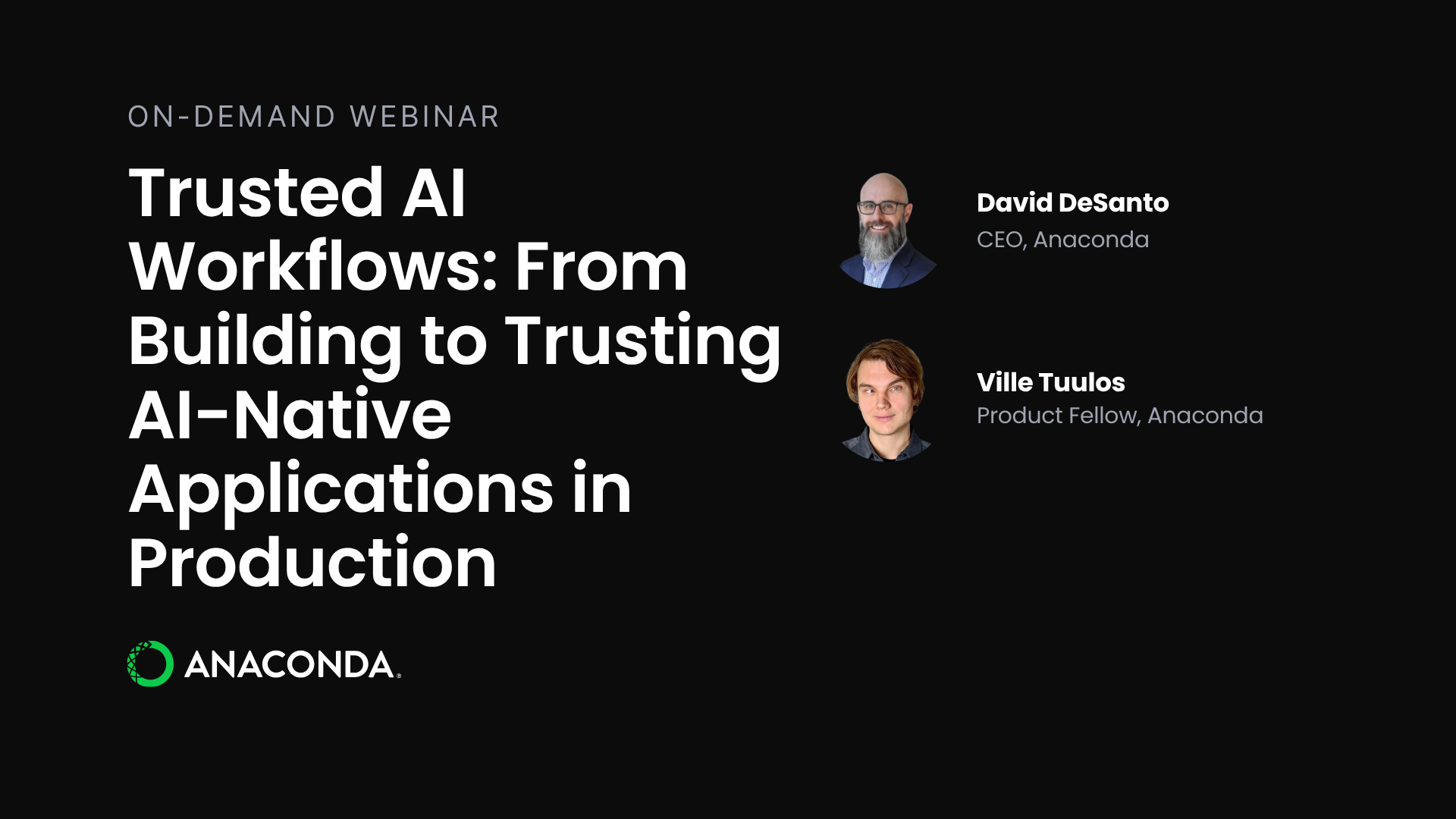
🖥️ Trusted AI Workflows: From Building to Trusting AI-Native Applications in Production
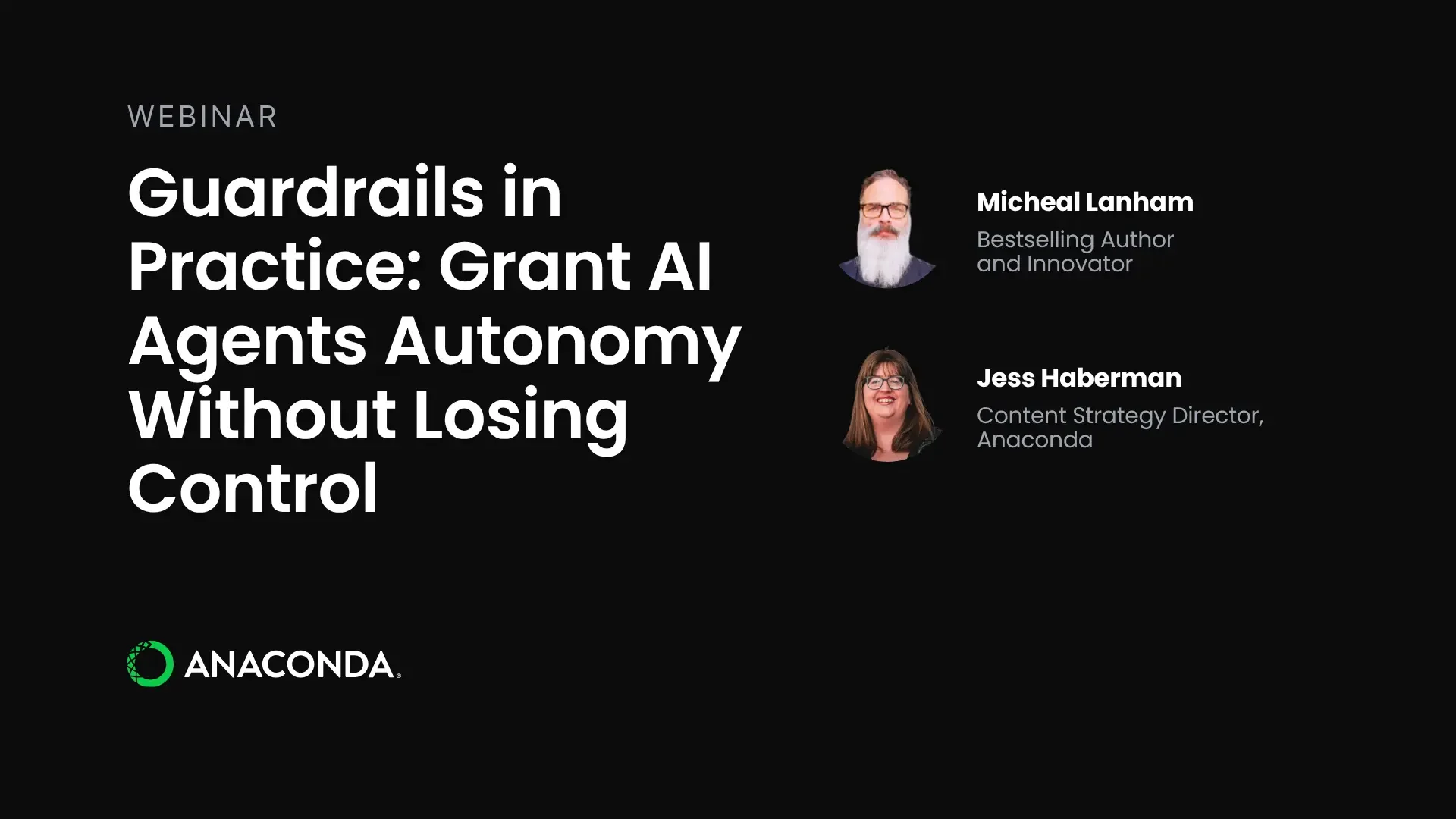
🖥️ Guardrails in Practice: Grant AI Agents Autonomy Without Losing Control